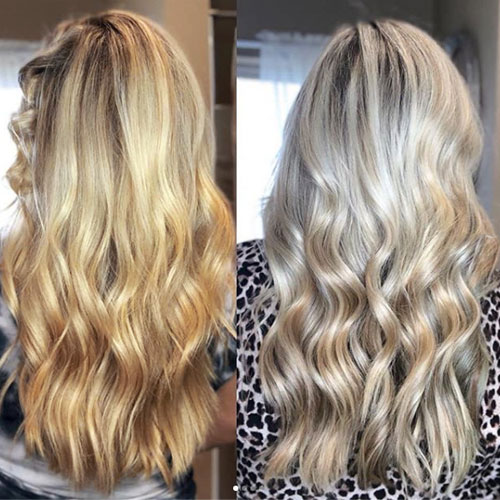
How to Get Platinum Blonde Hair from Golden Blonde
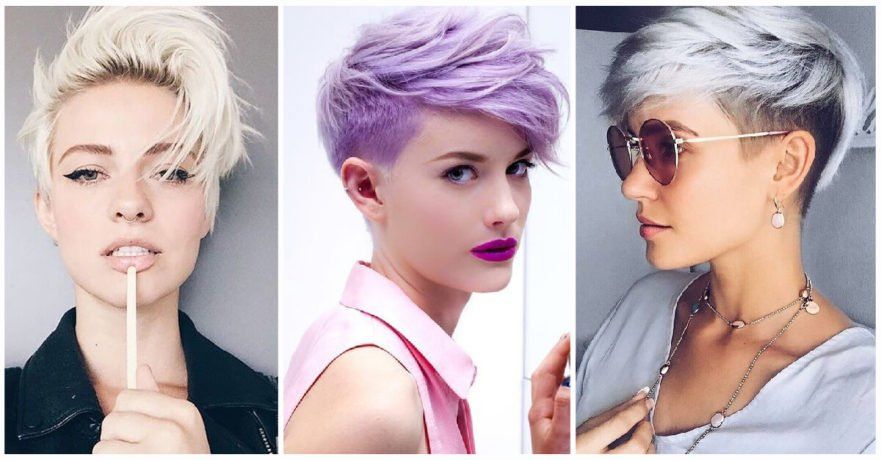
Today, platinum blonde is considered a high fashion statement and it is every girl’s dream to achieve this look.

All You Should Know About Haircare
A complete beauty care routine does not only include taking care of your skin. An elegant look would be incomplete without taking care of your hair too. To achieve the best hair care routine, you need to know the types of products to use to achieve the best look and to maintain the excellent health of your hair. In this article, we take you through some of the best hair care tips that include the different types of products and how to take care of different kinds of hair.
Type of products
It is not unusual for some people to have problems when choosing the right products for their hair. One of the reasons for this is that there are many products in the market that it becomes hard to choose one from the other products such as shampoos, conditioners, treatments, hair oils and serums, hair mousse and more, nourish and give your hair a good build. Choosing the wrong product can damage your hair.
Shampoo
One of the first products to use on hair care is the shampoo. The problem, however, comes in when choosing which shampoo is best for your hair type considering there are hundreds of different brands in the market with different ingredients.
Shampoos also come in different categories that include shampoos for adding volume, clarifying shampoos, smoothing shampoos, shampoos for African American hair, and shampoos for curly hair, and so on. Below are the most common and vital shampoo types to use for effective hair care.
Shampoo for adding hair volume
The volumizing shampoo helps to open up the hair cuticles leading to thickness. Shampoo for hair volume should contain lightweight ingredients that do not weigh your hair down. A good shampoo for adding volume should also leave the hair looking and feeling fluffy and beautiful.
Clarifying shampoo
If you want your hair to get squeaky clean, you should use a clarifying shampoo that penetrates the cuticles cleansing off any buildup. It is also the best to use before coloring, or chemically treating the hair.
Sulfate-free shampoo
Sulfate rich shampoos are great when it comes to cleaning off dirt and oil from your hair. However, they also leave the hair with split ends and dryness. If you can, avoid sulfate and alcohol shampoos and opt for the ones with natural products to prevent dryness, minimize skin irritation, preserve the hair dyes, and prevent split ends.
Smoothing shampoo
A smoothing shampoo contains oil or silicone that helps to straighten the hair strands. It is ideal to use if you want to straighten your hair for effective results.
Colored hair shampoo
Colored dyed hair is not easy to maintain, but using the right type of shampoo allows you to keep the color. If you have color-dyed hair, go for a shampoo that has a pH level of between 4.5 and 5.5 to minimize fading. Other ingredients in quality shampoo for color-dyed hair include algae, sea kelp, and oils.
Conditioner
After shampooing your hair, you should follow it up with a conditioner that helps to restore moisture and prevent frizziness. The three main types of conditioners are leave-in, rinse-out, and deep conditioning.
Deep conditioner
Also known as hair masks, deep conditioning shampoos help to repair damaged and dry hair. The best deep conditioners contain ingredients such as oils, emulsifiers, and wax. They work well if left to penetrate deep into the roots for 30 minutes or more before rinsing.
Hair oils and serums
Hair oils and serums are especially great for problematic hair. They help to give the hair a shiny and polished look, and they are also great for hair growth.
Hair wax
If you want your hair to have a rich, smooth texture irrespective of the hairstyle you wear, use hair wax or hair pomade. It helps to give the hair a glossy look and hold styles in place.
Hair mousse
Before blow-drying your hair, apply hair mousse on it to give it life. It helps to add volume to the hair and gives your curls a more defined look.
The above products are just some of the many products in the market you can use to give your hair life, shine, volume, and to promote growth. Other products include hair spray, curl-enhancing creams, and dry shampoo, among others.
Caring for different types of hair
Hair types range from curly, straight, long, colored, bleached, and long hair, among many others. Each type of hair comes with its limitations, which is why it is imperative to know how to take care of what you have to achieve beautiful and healthy hair.
How to take care of curly hair
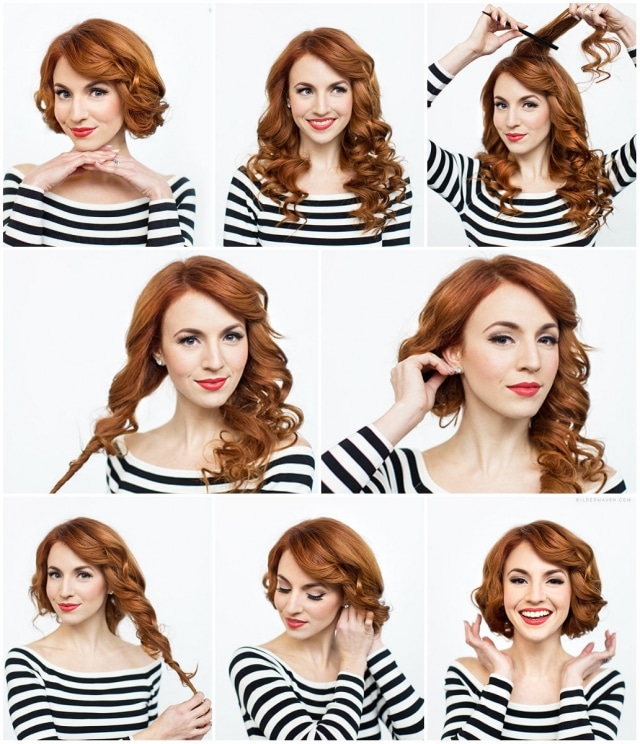
One of the problems people with curly hair battle with is frizz. To get rid of the frizz, you should ensure that the products you use on your hair have moisturizing ingredients. Wash your hair with a moisturizing shampoo and conditioner and go on to hydrate it with jellies, mousses, and creams to help define the curls.
For the best results, apply the hair products starting from the roots to the tips and ensure that you do not make the application heavy. Use a brush to detangle your hair after rinsing it, and if possible, use a diffuser for blow-drying to keep your curls in place.
How to take care of bleached hair
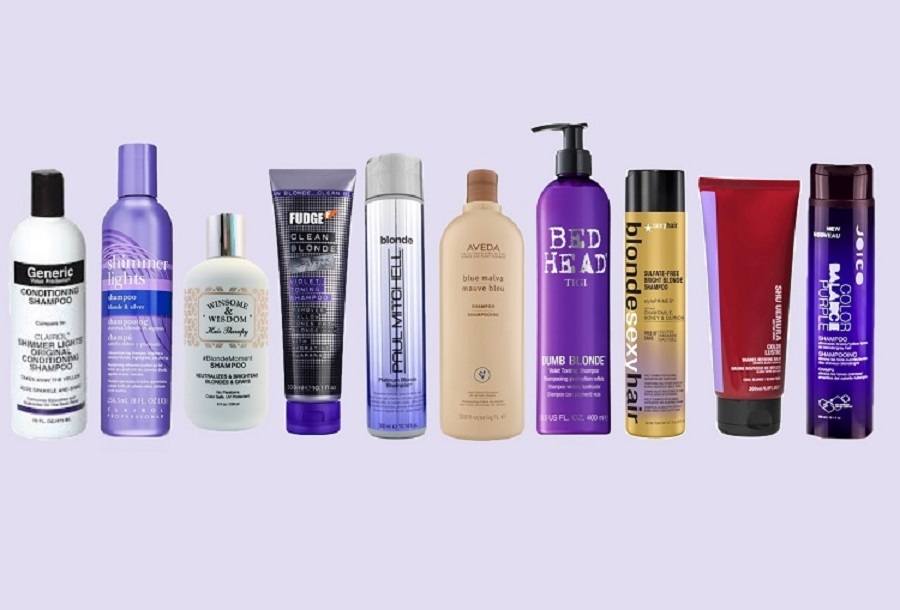
Bleached hair looks great, but it is very high maintenance. If not taken care of well, bleached hair turns dry, brassy, and messy. The first thing to use for your bleached hair should be a sulfate-free shampoo and conditioner. Once a week, use purple tainted shampoo or conditioner to give your bleached hair a clean rub and shinier look.
Dry the hair gently after rinsing using a soft microfiber towel that does not rough up the cuticles. Treat the hair at least once a week using a moisturizing mask or any other treatment recommended for bleached hair. Finish off the look by applying hair creams that are rich in Vitamin E. you can also use a few drops of hair oil to give the hair an extra shine.
How to take care of long hair
Maintaining long hair is not a very simple feat, but the right products and care can grow hair to look sharp, healthy, and beautiful. One of the leading products to have if you have long hair is a wet brush, as it helps to smooth the hair to give it a silky look. A wet brush helps to detangle hair without causing it any stress. Start from the roots, work your way to the tips, ensuring that the hair is dry to avoid any damage.
A hydrating shampoo is another essential ingredient to use on long hair as it helps to replenish lost moisture. You can also use oils rich in vitamin e to achieve the same results. When tying up your hair, ensure that you use a hairband that does not stress the strands or the roots for resilient and strong hair.
When drying long hair, opt for smooth fabric instead of cotton towels to prevent hair fraying and maintain the hair sleekness. Apply heat protection products before blow-drying to avoid split ends and dryness. Always keep the hairdryer at a safe distance from the hair when blow-drying.
Do not wash your hair every day, as you will encourage the over-production of oils. Washing two or three times a week is enough to keep your long hair healthy and strong. Finally, always use the right products with more natural ingredients, if possible.
How to care for natural hair
Natural hair comes in different types that include curly, kinky, textured, or straight. It does not have any chemical relaxers, which makes it a bit harder to manage. However, you can wear healthy natural hair by taking good care of the follicles and the strands. Some of the main problems with natural hair are breakages, tangling, shrinkage, and dryness, which you can rid of by using a good moisturizing shampoo and conditioner.
Opt for products that are sulfate and alcohol-free and wash the hair in parts to avoid tangling. Do not over style natural hair to prevent drying and breakages. Use hair oils and creams that are rich in vitamins to give your hair the nutrition it needs for growth.
How to take care of colored and dyed hair
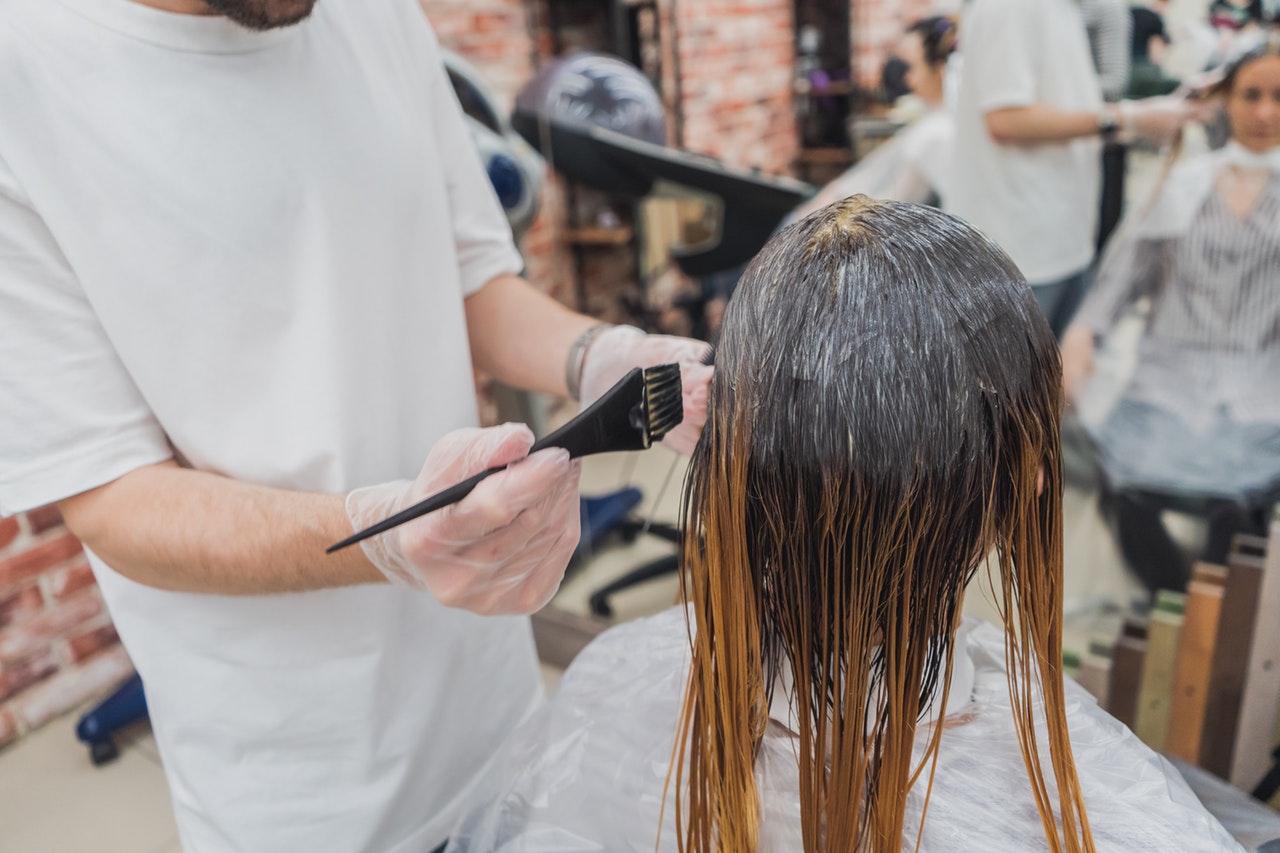
Color or dye looks good on hair, but it takes effort and dedication to maintain. Coloring and dyeing hair can cause damage such as split ends, dryness, and brassiness. To ensure that your color or dyed hair stays healthy, the first thing you should do is choose a shampoo and conditioner specially formulated for that kind of hair.
Opt for a shampoo and conditioner that is free of sulfate and alcohol as they come with drying effects. Also, choose a shampoo and conditioner with deep moisturizing properties to hydrate the hair and scalp so you can maintain the luster of the color. The best shampoo for colored hair is a purple-based shampoo that tones and brightens.
Shampoo and condition the hair to once or twice a week using cold to lukewarm water. Hair masks are also essential for colored or dyed hair as they treat any damage, maintaining and ensuring the hair stays healthy. Avoid the harsh UV rays, heat, and chlorine as they fade the color or dye and leave the hair dry. Choose hair creams that are rich in vitamin a and other nourishing ingredients.
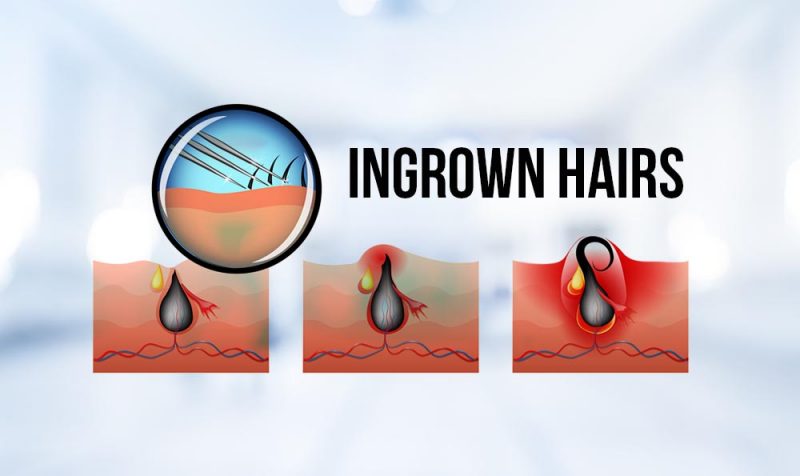
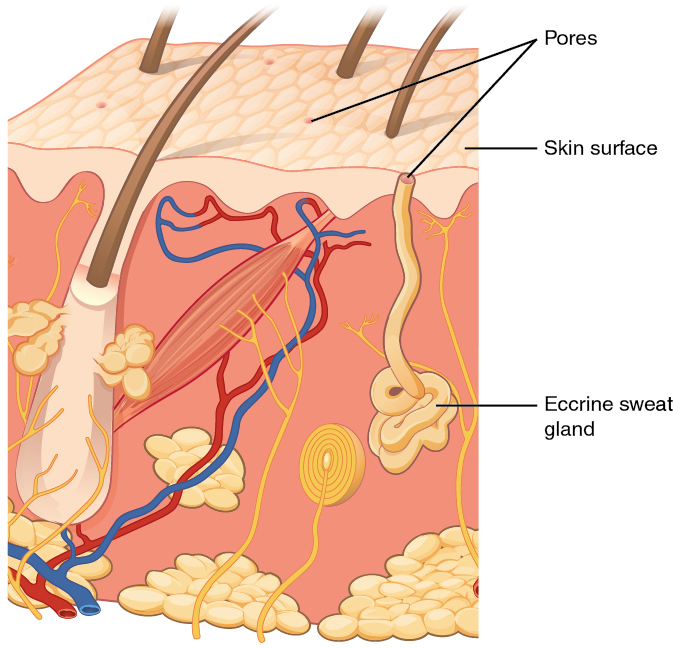
How to take care of an ingrown hair
No one likes to have ingrown hair because they are annoying, especially when they get an infection. The unwanted hairs also appear in any part of the body, but you do not have to live with the dread of an ingrown hair as you can remove it quickly. You can choose several DIY recipes to remove the ingrown hair or opt for permanent laser hair removal.
Regular miniaturization and exfoliation of the skin also help to get rid of ingrown hair. Some of the best ingredients for DIY ingrown hair removal include honey, cucumber, salt, apple cider vinegar, and tea tree oil. Others are baking soda, black tea bags, coconut oil, strawberries, and granulated sugar. You can also use coffee, frankincense essential oil, calendula oil, Epsom salt, and hot water treatment.
Wrapping it up
An essential ingredient in healthy hair is a moisturizing shampoo and conditioner. You need to know your hair type well before using just any other product in the market. A product that is food for colored hair may not be the same for natural or straight hair. With the above hair care tips, you can grow and wear your hair to look healthy, softer, and shinier.
Today, platinum blonde is considered a high fashion statement and it is every girl’s dream to achieve this look.
In the past few years, organic products have made a big break-through. At first, we started consuming more and more organic food, organic materials, and organic cosmetic products. No wonder! It is perfectly reasonable to take care of yourself and your skin.
Blondes enjoy the luxury of dyeing their hair more than any other hair type. However, this luxury is most of the time short-lived due to the hair fading. Every time the hair is bleached, it becomes more porous, making it fade faster with every application.
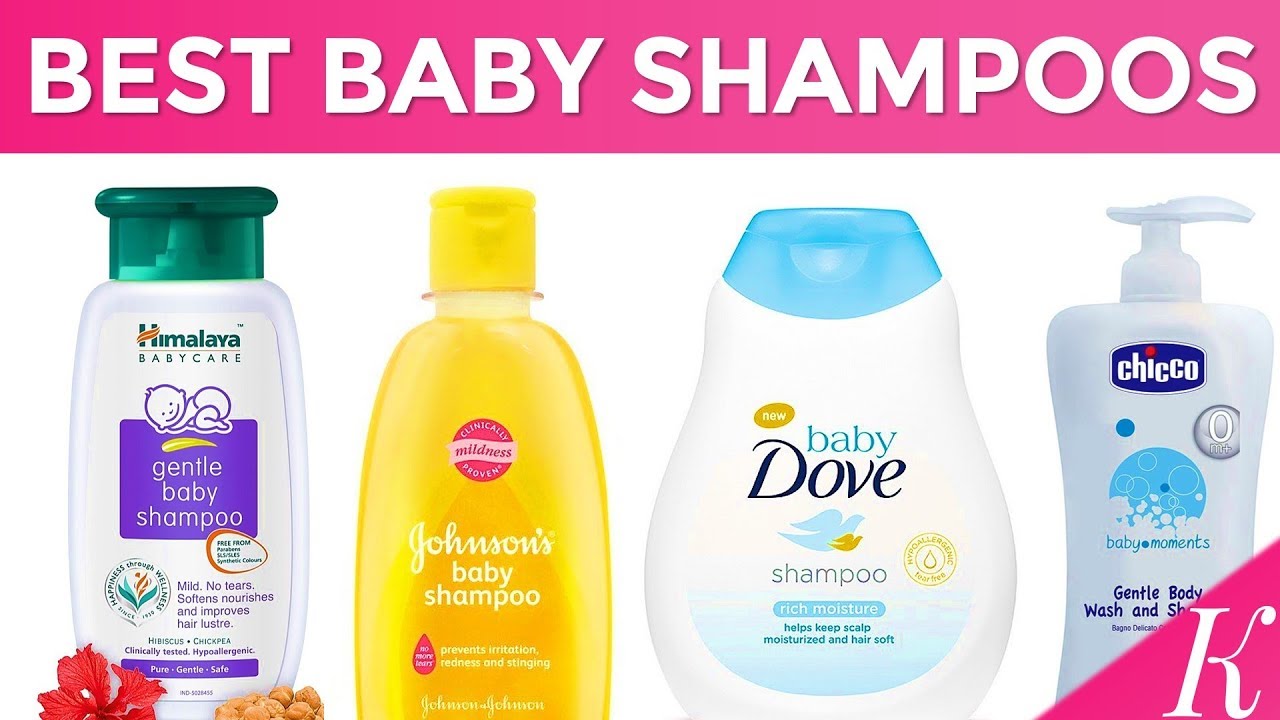
Our kids mean everything to us, and we want to ensure that they are safe and healthy when using SHAMPOOS. Sadly, this can be a difficult task when we consider that the majority of these shampoos contain many harmful and unnatural chemicals.
It seemed like puberty literally hit me when I turned 13. It led me through a self obsessive phase that shaped me into, and I say it with pride, the hopeful yet pragmatic individual I am today. The outcome of growing up dealing with pimples, untamed hair, and a misaligned sense of fashion was an experimental person ready to try anything. I have, thus, ploughed through a tonne of fads and products in about two decades and have picked up a few gems along the way.
![10 Best Shampoo For Dry Itchy Scalp [2021 Reviews]](https://cosmeticnews.com/wp-content/uploads/2018/01/Best-Shampoos-For-Dry-Scalp.jpeg)
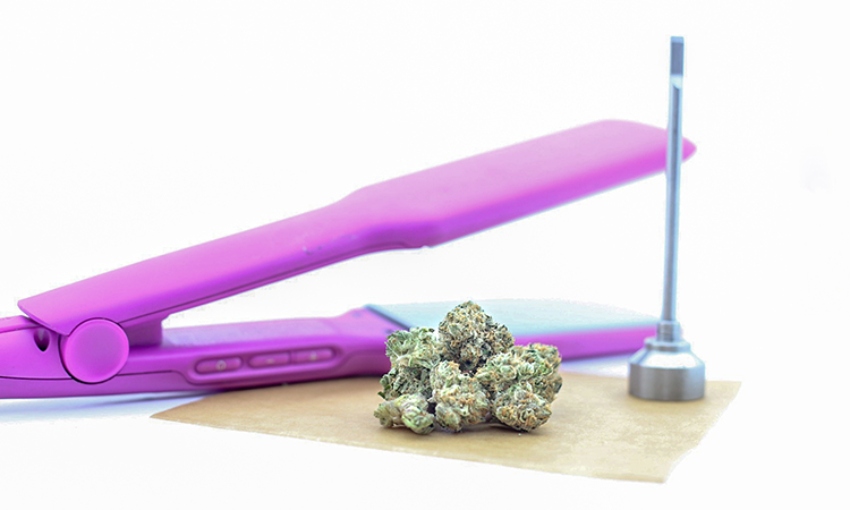
For WEED lovers, making rosins is probably one of the most appealing things to do. Rosin, which is a solvent free extraction from cannabis, does not contain any chemicals and it is easy to make at home.
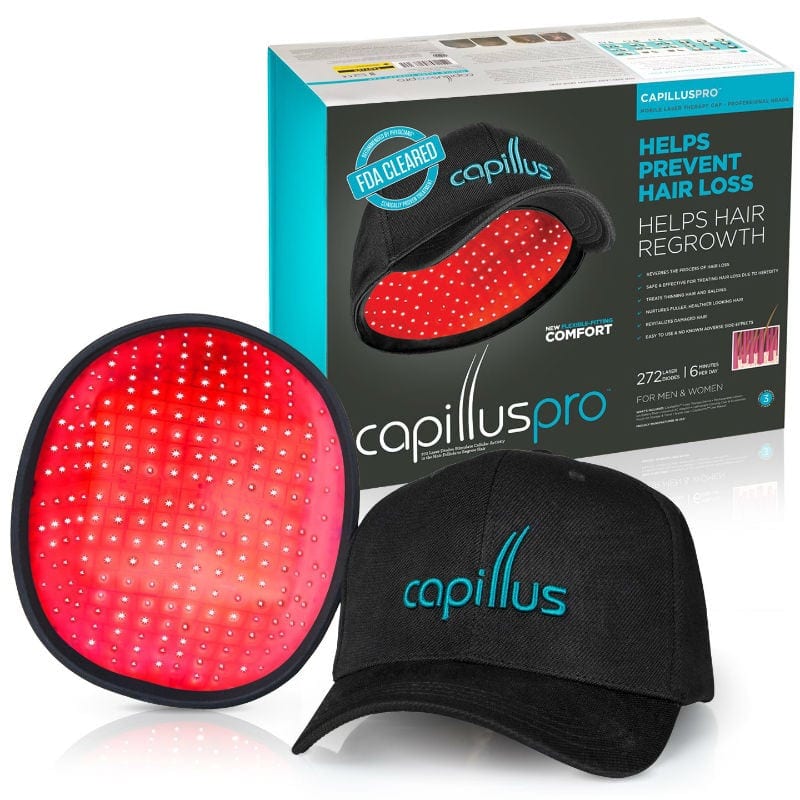
Hair loss is a common problem that causes clusters of hair to fall out, leaving a hairless patch on the scalp. It is a condition that affects both men and women of all ages and is mainly caused by genetic factors.
Having thick and voluptuous hair is every woman’s dream. Whether the hair is long or short, there is that wonderful feeling of wearing it thick.
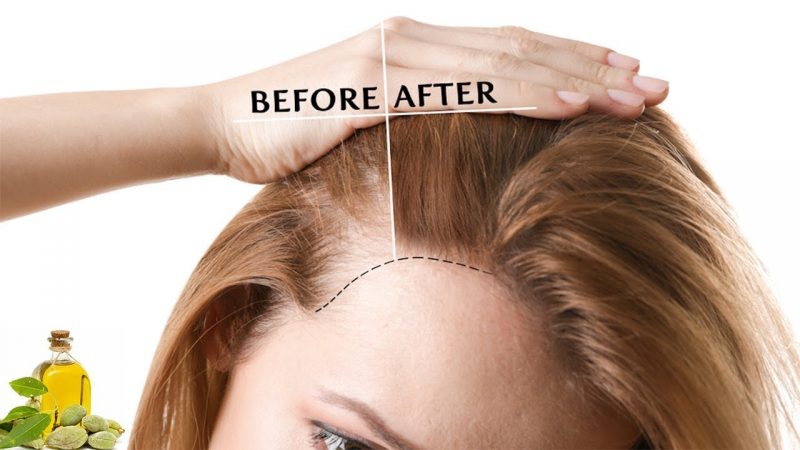
Hair loss is a common problem to both men and women. It is also an embarrassing and frustrating situation because going through life without hair is not something anyone would want.
If you have ever had ingrown hairs then you will believe me when I describe that situation as unattractive, painful and alarming. They may look harmless to the naked eye but for anyone with ingrown hairs, they hurt so much. If you have ingrown hair, you feel unattractive and assume that anyone seeing them looks at you differently and for some people, ingrown hair becomes alarming because they do not know the cause and some assume they could be fighting something incurable. But what is ingrown hair?